



東洋言語BLOG
「もしも」に備える!学びの安心を守る防災事故防止訓練
Preparing for the Unexpected! Disaster Preparedness and Safety Training to Protect Our Learning Environment
In recent years, sudden and intense rainfall has become more frequent across Japan, particularly during the summer months. In mid-August, typhoon-related flooding affected wide areas of Japan, with flooded roads and rising river levels reported in neighboring Chiba Prefecture. These events remind us how essential it is to prepare for water-related disasters in our daily lives.
For international students whose home countries may have different climates and disaster risks, understanding local risks and gaining essential disaster preparedness knowledge are vital for living safely and focusing on their studies in Japan. To ensure student safety and raise disaster awareness, our school conducts regular disaster drills once each term.
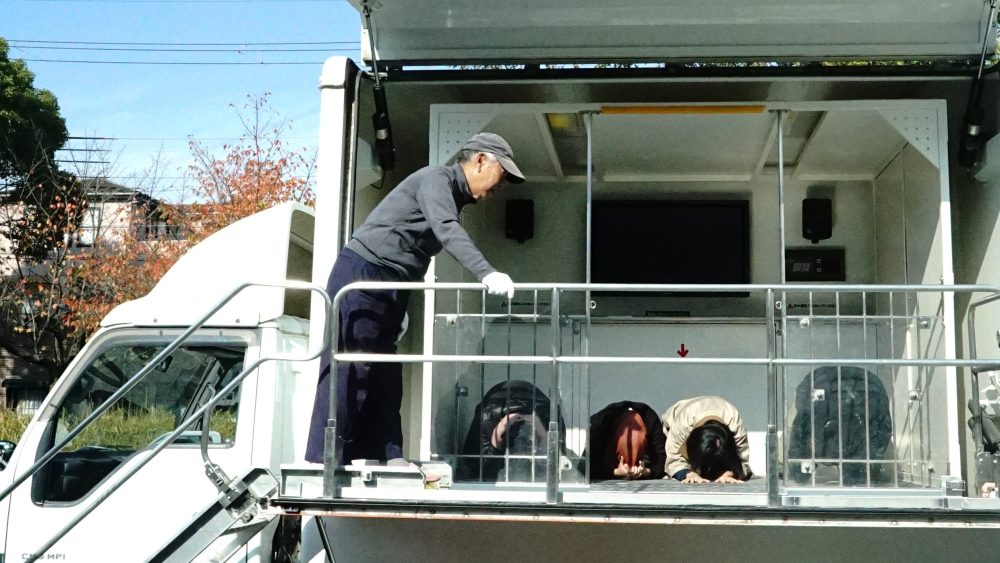
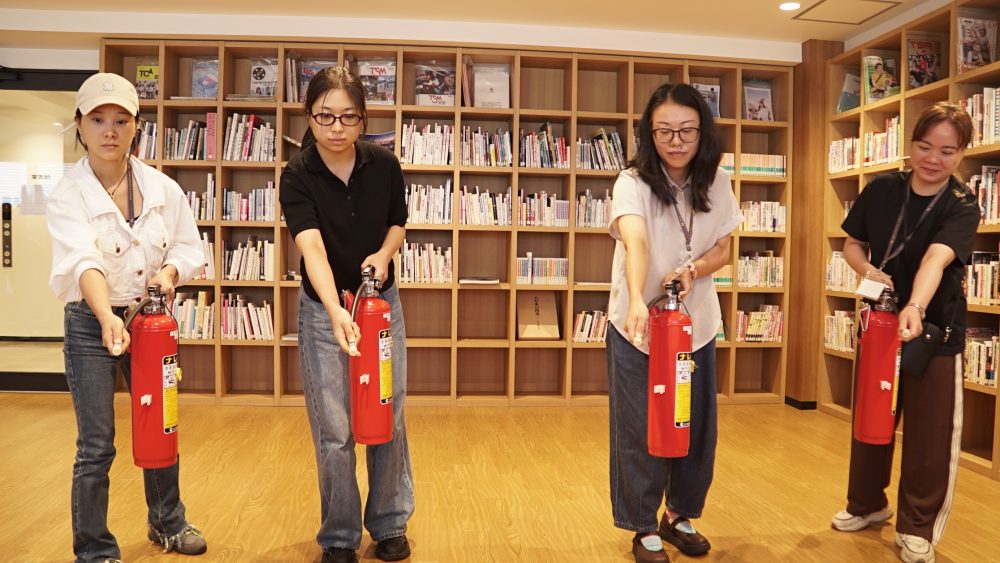
Each term, we hold evacuation and fire drills based on scenarios involving earthquakes and subsequent fires. During the fire safety practice, students have the opportunity to handle a fire extinguisher themselves and practice the basic steps for using it. This practical approach helps them build confidence so they can respond calmly in an emergency.
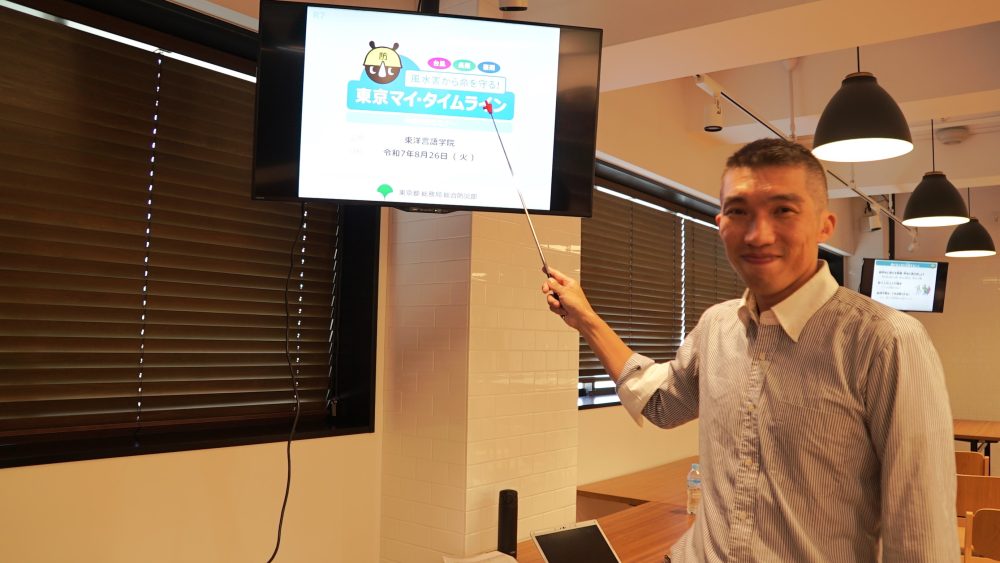
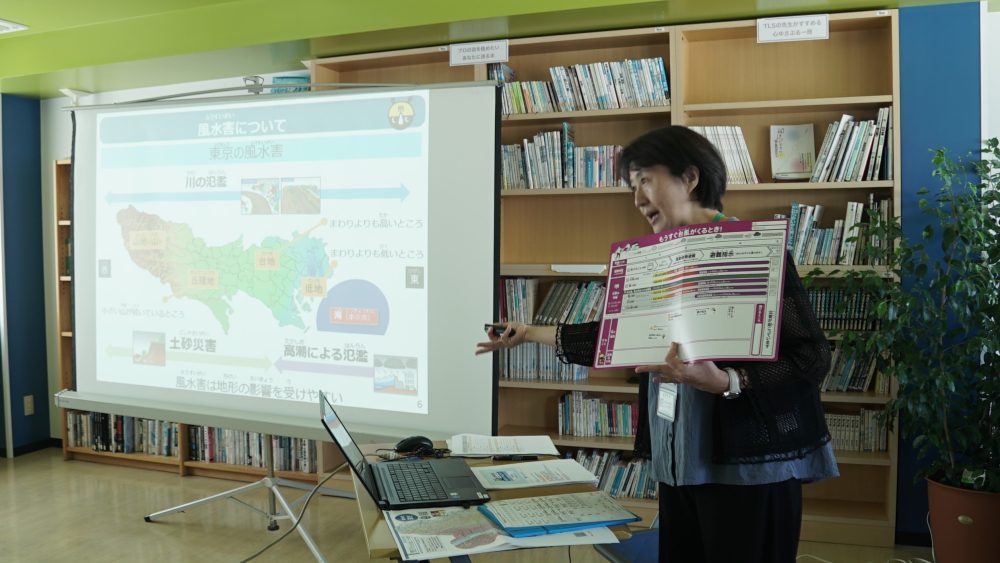
This term, we introduced a special training session focused specifically on water disasters, given the growing risk of flooding in recent years. We invited guest speakers from the Tokyo Metropolitan Government Bureau of General Affairs. The students listened intently, deepening their understanding of flood risks in Japan and fundamental safety measures.
Following the lecture, students returned to their classrooms to create their own “My Timeline” under the guidance of their instructors. A “My Timeline” is a personalized evacuation plan that helps individuals decide in advance when and how they should respond to wind and flood disasters. The worksheets were provided in Easy Japanese, English, Chinese, and other languages, so that even students who had only recently arrived in Japan could participate with ease. By checking local hazard maps, students identified when to evacuate and what steps to take, considering their own safety and preparedness.At our school, we believe that providing disaster preparedness education tailored to the seasons and environment—beyond just Japanese language teaching—is an essential foundation that supports our international students’ learning journey.
最近の夏は全国的に突然の激しい雨が増加しており、8月中旬にも台風の影響で全国の広い範囲で水害が発生し、隣県の千葉県でも道路の冠水や川の増水といった被害が見られました。このように私たちが普段生活している地域でも水害への備えをしっかり考えておく必要があります。特に母国と気候や災害リスクが異なる留学生にとって、地域の災害リスクを知り、正しい防災知識を身につけることは、日本で安心して生活し学びに集中するための大切な土台となります。そのため当校では、学生の安全確保と防災意識の向上を目指し、1学期に1回という定期的なペースで防災訓練を行っています。
当校で毎学期継続して実施しているのが、地震の発生とそれに伴う火災を想定した避難訓練および消火訓練です。消火訓練では、学生が1人ずつ実際に消火器に触りながら使い方の手順を体験的に確認し、いざという時に落ち着いて行動できるよう基礎的な訓練を重ねています。
さらに今学期は新たな重点テーマとして、近年リスクが高まっている水害に特化した講習を取り入れました。東京都総務局の方をお招きして行った講義では、学生たちは非常に真剣な様子で耳を傾け、日本の水害リスクや身を守る基本知識について理解を深めました。
講習を受けた後は各教室に戻り、担当講師のもとで「マイ・タイムライン」の作成を進めました。「マイ・タイムライン」とは、風水害に備えて、いつ・どんな行動をとるべきかをあらかじめ自分で決めておく避難計画のことです。配布されたシートはやさしい日本語をはじめ英語や中国語などの多言語で用意されており、来日したばかりの学生もスムーズに取り組むことができました。学生たちは自分の住む地域のハザードマップを実際に調べながら記入を行い、避難するタイミングや必要な行動を自分自身のこととして整理していました。当校では、日本語の教育にとどまらず、時期や環境に応じた防災への取り組みを重ねていくことが、留学生の確実な学びを支える重要な基盤だと考えています。